
India’s maritime story stretches back thousands of years. Soon, it will have a landmark worthy of that legacy.
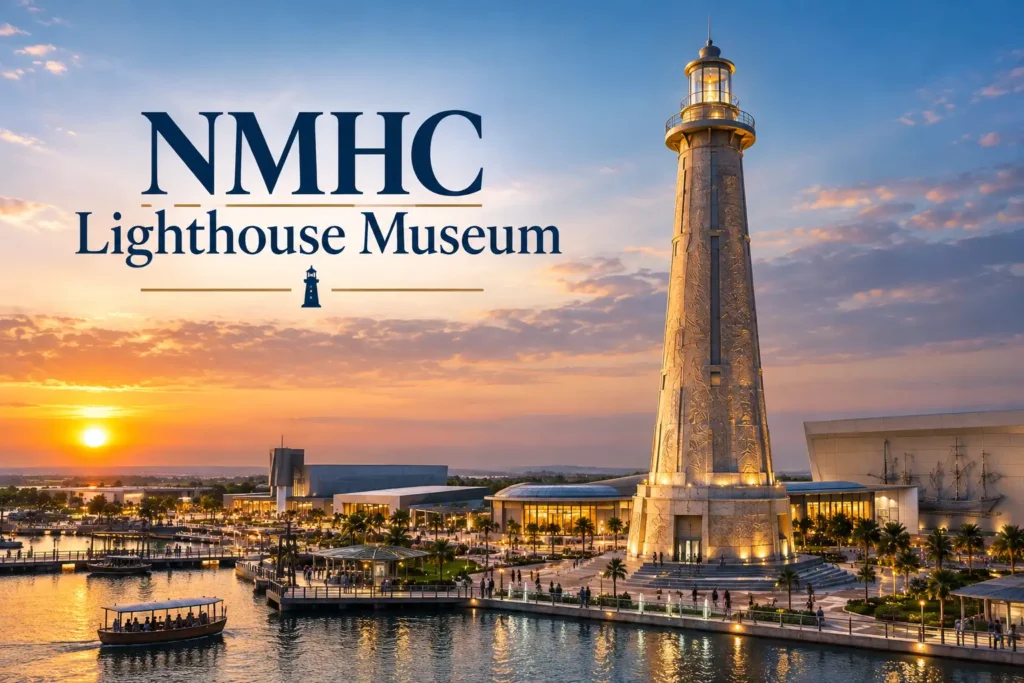
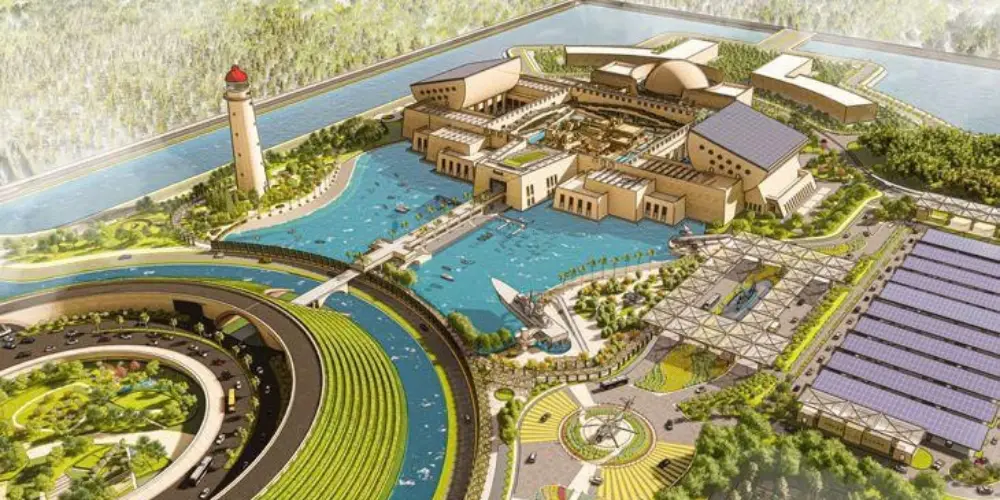
The NMHC lighthouse museum is planned as part of the National Maritime Heritage Complex at Lothal in Gujarat. It is set to become one of the most talked-about cultural attractions in the country.
The structure will rise to an impressive 77 meters, but it is more than a museum. It pays tribute to the sailors, traders, and lighthouse keepers who guided ships along India’s coastline for centuries.
At Angel Nova Group, we love exploring projects that shape the future of Indian tourism and heritage. In this blog, we look at why the NMHC lighthouse museum is expected to be the tallest lighthouse museum in the world, and what visitors can look forward to.
What Is the NMHC Lighthouse Museum?
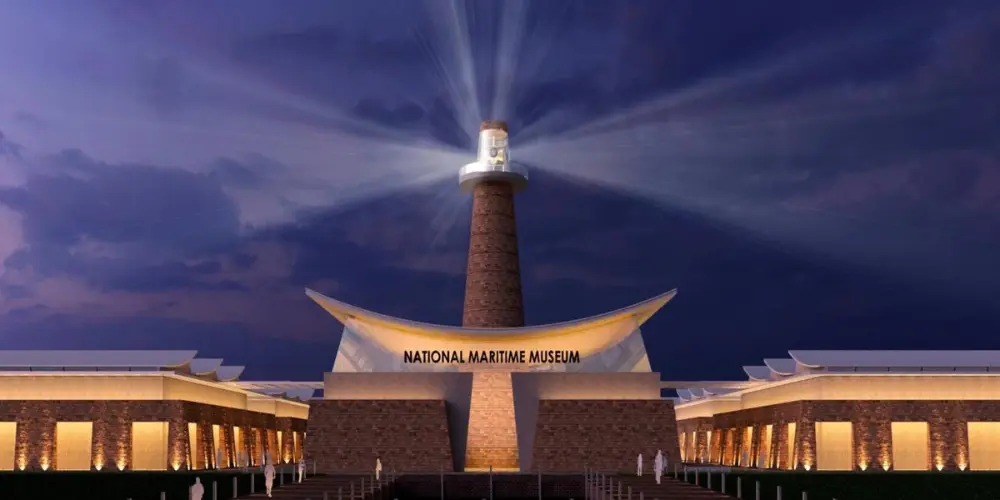
NMHC stands for the National Maritime Heritage Complex. This large project is being developed at Lothal, one of the most important sites of the Harappan civilisation.
Lothal is famous for its ancient dockyard, widely regarded as one of the earliest known dockyards in the world. It is the ideal home for a complex that celebrates India’s relationship with the sea.
Among the many attractions planned for the complex, the NMHC lighthouse museum stands out as an iconic highlight. It brings history, architecture, and technology together in one grand structure.
Here is a quick snapshot of what makes the NMHC lighthouse museum special:
- Height: A towering 77 meters, offering sweeping views of the entire complex
- Inspiration: The great Mahabalipuram lighthouse, one of the oldest lighthouses in India
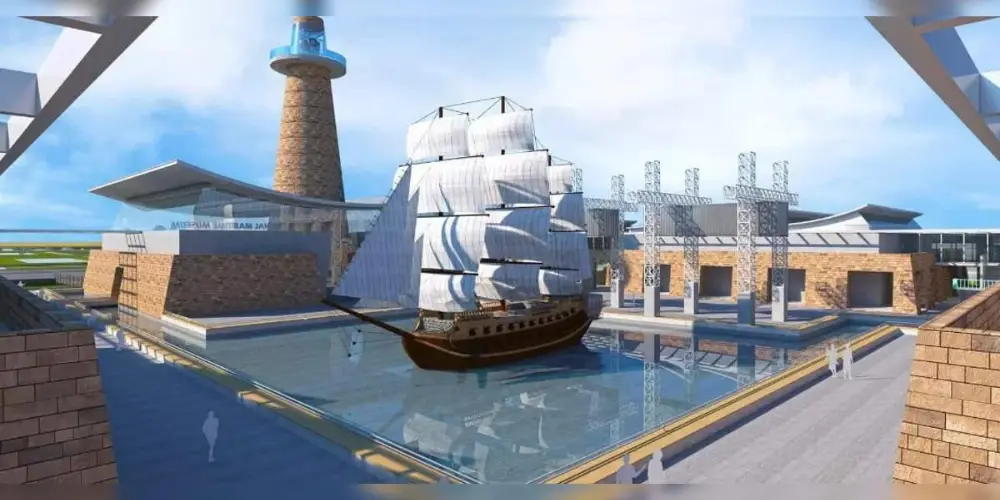
- Design: A unique architectural style with a stone façade
- Experience: Curated VR walkthroughs on the history of Indian lighthouses
- Entertainment: A state-of-the-art sound and light show using projection mapping
- Global status: Proposed to be the tallest lighthouse museum in the world
Standing Tall at 77 Meters: A View Like No Other
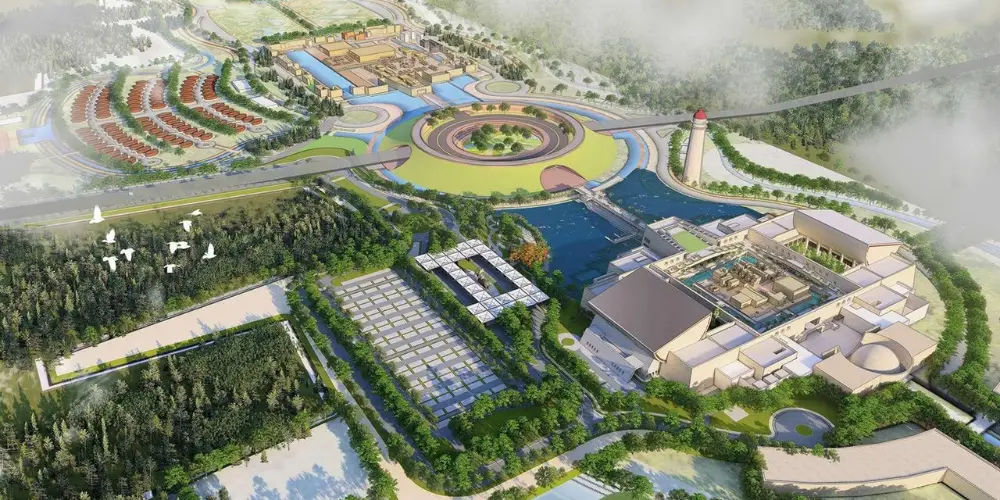
Height is the first thing that strikes anyone looking at the plans. At 77 meters, the NMHC lighthouse museum will tower over the surrounding landscape and will be visible from a distance.
This height has a purpose beyond appearance. The tower is designed to give visitors a panoramic view of the entire heritage complex.
From the top, you can take in the galleries, open spaces, and themed zones of the complex at a glance. It is the kind of view that helps you appreciate the scale of the whole project.
What visitors can expect from the top:
- A bird’s-eye view of the full National Maritime Heritage Complex
- A clear sense of the scale and planning behind the project
- Great photo opportunities for travellers and history lovers
- A memorable moment that ties the entire visit together
For many visitors, the view from the top will likely be the highlight of their day at Lothal.
Inspired by the Ancient Mahabalipuram Lighthouse
Every great design has a story, and this one begins on the shores of Tamil Nadu. The NMHC lighthouse museum draws its inspiration from the great Mahabalipuram lighthouse, known as one of the oldest lighthouses in the country.
Mahabalipuram, also called Mamallapuram, was an important port under the Pallava dynasty. Its lighthouse tradition shows how early Indian rulers valued guiding ships safely to shore.
By borrowing from this heritage, the new museum builds a bridge between:
- Ancient maritime wisdom and modern engineering
- The eastern coast of Tamil Nadu and the western coast of Gujarat
- India’s past as a great trading nation and its future as a maritime power
This choice of inspiration makes the NMHC lighthouse museum feel deeply rooted in Indian history rather than borrowed from somewhere else.
A Stone Façade That Honours Tradition
One of the most striking features of the NMHC lighthouse museum is its architecture. The unique style of the Mahabalipuram lighthouse will be embraced entirely, with a similar use of stone for the façade.
Stone gives the structure a timeless, grounded character. It links the building to India’s long tradition of temples and forts, where stone was used to create structures that lasted for centuries.
Why the stone façade matters:
- Authenticity: It stays true to the design language of the original lighthouse
- Visual impact: Natural stone textures look stunning in daylight and at night
- Cultural connection: It reflects the craftsmanship seen across India’s heritage sites
- A perfect canvas: The façade will also serve as the surface for the evening light show
The result is a building that looks like it belongs to history while hosting modern visitor technology inside. That balance is what makes the NMHC lighthouse museum so unique.
VR Walkthroughs Along India’s Vast Coastline
India has thousands of kilometers of coastline, dotted with lighthouses that have guided sailors for generations. Telling that story in one place is no small task, and this is where technology steps in.
The NMHC lighthouse museum will offer an enhanced visitor experience through carefully crafted and curated VR walkthroughs. These virtual journeys will give visitors a glimpse of the history of Indian lighthouses along the vast coastline.
The VR experience could help visitors:
- Explore historic lighthouses from different coastal regions without travelling
- Understand how lighthouse technology changed over time
- Learn about the role of lighthouses in trade, navigation, and safety at sea
- Enjoy an interactive way of learning that appeals to children and adults alike
This blend of storytelling and technology makes the museum more than a place to look at exhibits. It becomes a place to experience history first-hand.
A Sound and Light Show Powered by Projection Mapping
When the sun sets, the lighthouse will come alive in a whole new way. A state-of-the-art sound and light show has been planned on the façade of the NMHC lighthouse museum with the help of projection mapping.
Projection mapping is a technique that projects visuals onto irregular surfaces, such as buildings. The images are shaped to fit the structure, so the building itself seems to move and transform.
On a 77-meter stone tower, the effect is expected to be spectacular.
Highlights of the evening show:
- Large-scale visuals projected across the height of the tower
- Stories of India’s maritime past brought to life through light and sound
- An immersive experience that turns the lighthouse into a nighttime attraction
- A reason for visitors to stay longer and enjoy the complex after dark
For tourism, this is a big advantage. An evening show gives visitors a second experience within the same trip, adding more value to a visit to Lothal.
Why the Tallest Lighthouse Museum in the World Matters
The proposed lighthouse at NMHC will be the tallest lighthouse museum in the world. That is a proud milestone for India, and its meaning goes well beyond a record.
Here is why the NMHC lighthouse museum is important:
- Global recognition: A world-leading structure puts Lothal on the international tourism map
- Heritage awareness: It highlights India’s rich but often overlooked maritime history
- Tourism growth: It can draw visitors to Gujarat from across India and abroad
- Local opportunity: Higher footfall can support jobs, hospitality, and small businesses in the region
- Education: Students and researchers gain an engaging new space to learn about navigation and trade
Combined with the other attractions of the National Maritime Heritage Complex, the NMHC lighthouse museum could help make Lothal one of India’s leading heritage destinations.
The NMHC lighthouse museum is a rare blend of ancient inspiration and modern innovation. Its 77-meter height, stone façade inspired by Mahabalipuram, VR walkthroughs, and projection-mapped light show together create a truly one-of-a-kind attraction.
As work on the National Maritime Heritage Complex moves forward, this landmark is set to become a must-see for travellers, history lovers, and families.
Stay connected with Angel Nova Group for more updates on landmark projects shaping India’s heritage and tourism landscape.
Frequently Asked Questions (FAQs)
It is part of the National Maritime Heritage Complex at Lothal, Gujarat.
It will stand 77 meters tall, making it the tallest lighthouse museum in the world.
The design is inspired by the Mahabalipuram lighthouse, one of India’s oldest lighthouses.
Visitors can enjoy panoramic views, VR walkthroughs on Indian lighthouse history, and a projection-mapped sound and light show.
It celebrates India’s maritime heritage and can boost tourism and local opportunities in Gujarat.