

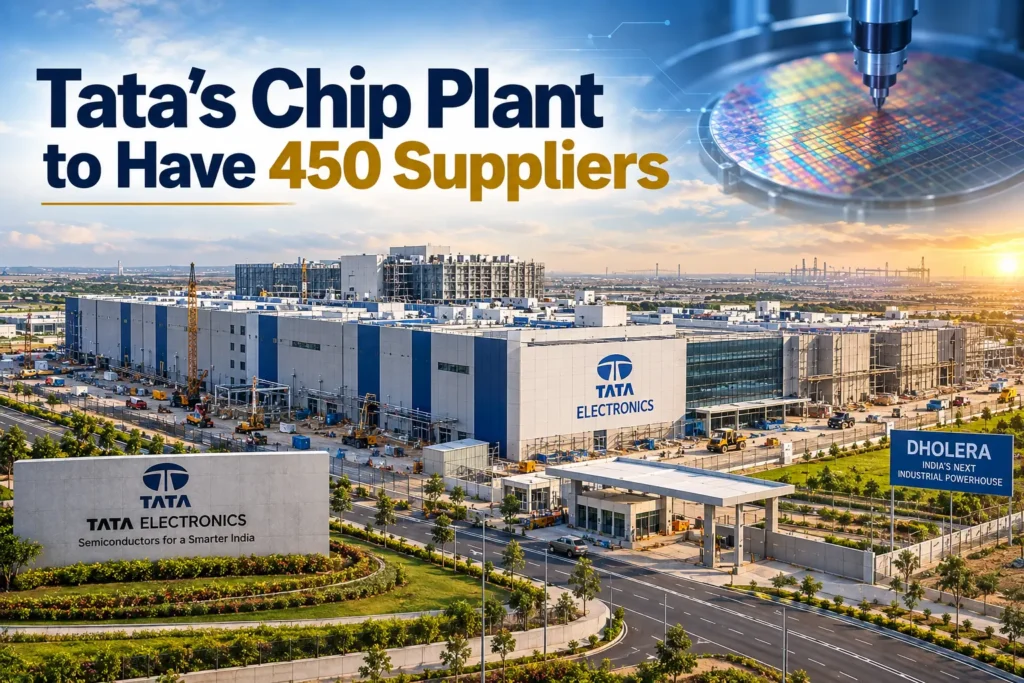
India’s semiconductor dream is quickly becoming a reality, and Dholera in Gujarat is at the centre of it all. Tata Electronics’ upcoming chip fabrication plant is expected to bring in around 450 suppliers. To house them, a massive 363-acre vendor park is being built right in Dholera.
This is one of the biggest signals yet that Dholera is turning into a full industrial ecosystem, not just a single factory site. At Angel Nova Group, we have been following Dholera’s growth closely. In this blog, we break down the announcement and explain why it matters for businesses, workers, and investors.
A ₹91,000 Crore Bet on India’s Semiconductor Future
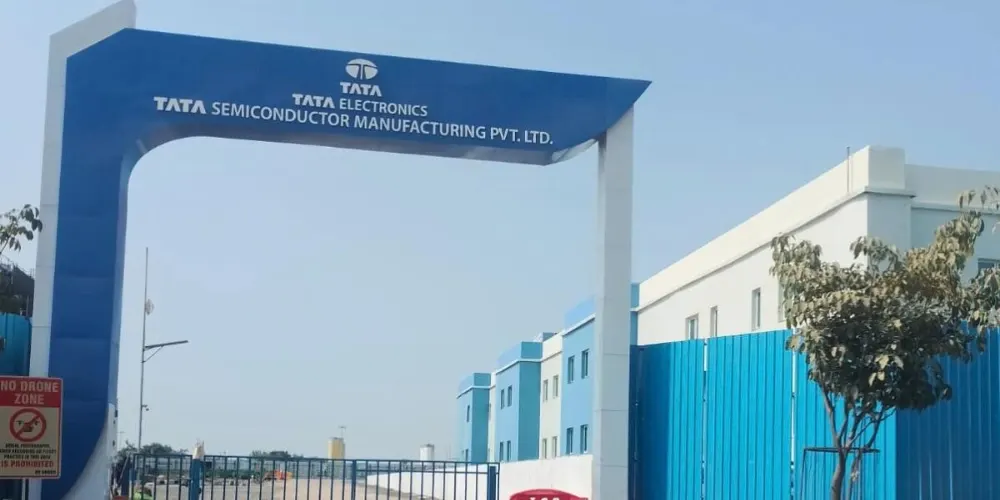
The Tata Electronics chip manufacturing unit in Dholera is being built with an investment of around ₹91,000 crore. That makes it one of the largest private industrial investments in India.
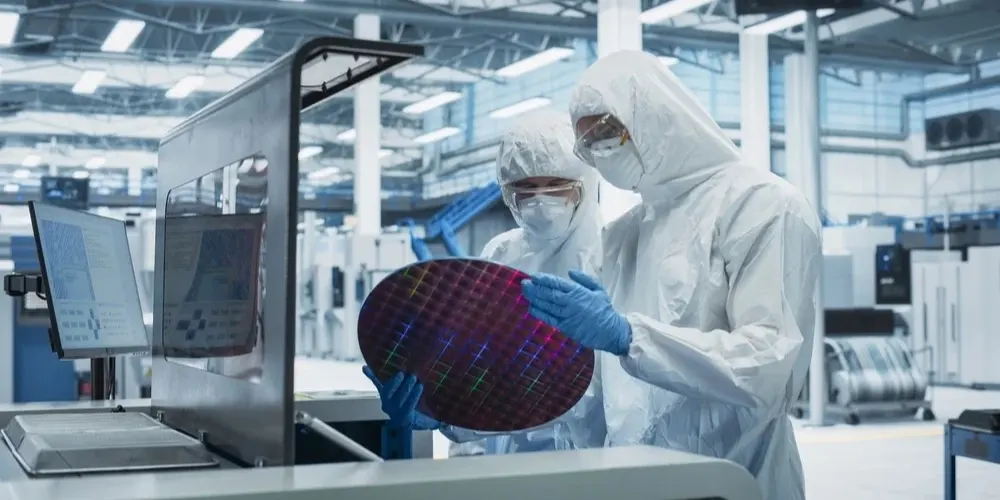
A semiconductor fab is not an ordinary factory. It is among the most complex manufacturing facilities in the world. It needs ultra-pure chemicals, specialty gases, precision equipment, and constant technical support.
This is why the Tata chip plant in Dholera cannot work alone. It needs hundreds of partners nearby, which is exactly what the new vendor park is designed to provide.
For India, this plant means less dependence on imported chips. Chips power everything from smartphones and cars to defence systems and medical devices. Making them at home is a matter of both economic strength and national security.
Why a Chip Plant Needs 450 Suppliers Close By
According to the official announcement, around 450 suppliers will support the Tata fab. But why must they be located so close to the plant?
The answer is simple: time. In chip manufacturing, every minute of downtime is expensive. If a machine breaks down, it has to be fixed immediately.
The official explained that repair and maintenance support, spare parts, chemicals, and gases must all be arranged so that the “mean time to repair” stays very short. In simple words, when something goes wrong, help should be available within minutes, not days.
If suppliers sit hundreds of kilometres away, or in another country, production suffers. By bringing them next door, the Dholera fab can run smoothly and efficiently. Global chip hubs like Taiwan, South Korea, and Japan follow the same model.
Inside the 363-Acre Plug-and-Play Vendor Park
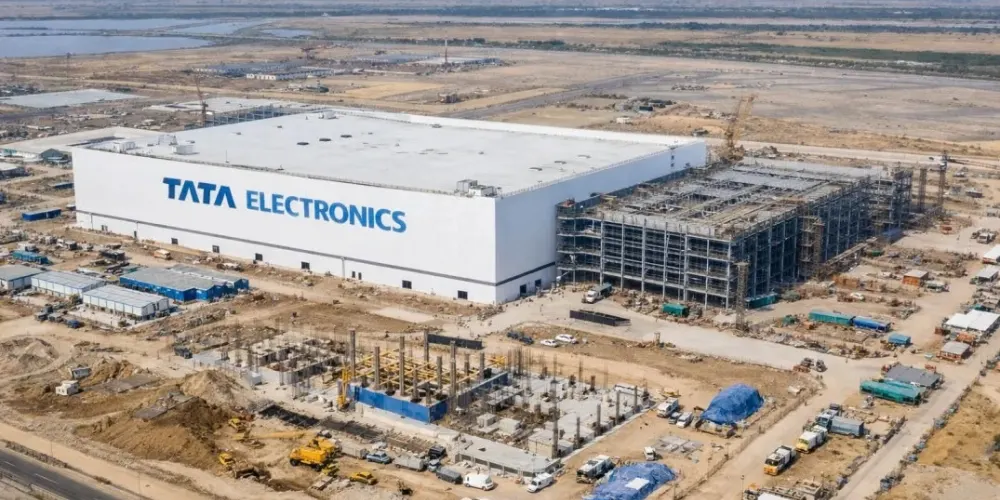
The most exciting part of the announcement is the 363-acre vendor park in Dholera. It is being developed with a reputed developer from Singapore, bringing international experience to the project.
This will be a “plug-and-play” vendor park. International vendors will be able to acquire land inside the park and start operations quickly.
As per the official, the park will offer ready infrastructure, including:
- Reliable power supply
- Water and utilities
- Internal roads
- In some cases, even ready building shells for interested companies
This means a global supplier does not have to spend years building basic infrastructure. They can move in, install equipment, and begin serving the Tata fab much faster. For foreign companies weighing India, ready land with ready facilities is a strong reason to choose Dholera.
16 Agreements With Global Players at SEMICON India
Tata Electronics CEO Randhir Thakur shared that the company will sign 16 agreements at the SEMICON India conference, with players from Europe, Japan, Singapore, and India.
He also confirmed that the Dholera fab and the packaging facility in Assam are on track to meet commitments made to the government.
At the event itself, the company signed seven pacts. Key partnerships include:
- Nexperia: Covering wafer fabrication, assembly and testing, technology collaboration, and ecosystem development to strengthen India’s semiconductor supply chain.
- Fujifilm: Localising critical raw materials and building a resilient supply chain around the Dholera fab.
- Besi: Strengthening advanced packaging at Tata’s Jagiroad, Assam facility and supporting India’s OSAT sector.
- Semiconductor Laboratory (SCL): Joint work on chip design, process technologies, supply chain localisation, and talent development.
- Gati Shakti Vishwavidyalaya: Building future-ready skills in semiconductor manufacturing, infrastructure, project management, and supply chain operations.
Together, these agreements show that Tata is building an entire ecosystem, not just a factory.
What This Means for Dholera’s Growth

Dholera has long been promoted as India’s first greenfield smart city. For years, people asked when real industrial activity would arrive. This announcement is a clear answer.
With a fab, a 363-acre vendor park, and 450 suppliers, Dholera is set for a major wave of activity. Each supplier will bring its own staff, offices, warehouses, and service needs.
This creates a ripple effect across the region:
- Jobs: Engineers, technicians, operators, and logistics staff will be needed in large numbers.
- Housing demand: Professionals and their families will need homes close to work.
- Commercial growth: Shops, restaurants, schools, hospitals, and banks follow the workforce.
- Infrastructure upgrades: Roads, utilities, and connectivity continue to improve.
When a major industrial anchor arrives, the surrounding region often transforms within a few years. Dholera appears to be at the start of that journey.
Angel Nova Group Projects in Dholera: Angel Palm Dholera & Angel Aerocity
As Dholera’s industrial story grows, so does the need for well-planned places to live, work, and invest. Angel Nova Group offers two projects designed with this growth in mind.
Angel Palm Dholera
Angel Palm Dholera is designed for buyers who want to be part of Dholera’s early growth phase. With the semiconductor ecosystem attracting suppliers and skilled professionals, demand for quality land and housing in the region is expected to rise.
Angel Aerocity
Angel Aerocity is aimed at investors who see long-term value in Dholera’s connectivity and industrial expansion. As the region’s infrastructure takes shape, well-connected projects are likely to draw strong interest from businesses and end users alike.
Before investing in any project, we always encourage buyers to verify approvals, check land titles, and understand development timelines. Our team is happy to walk you through every detail.
The Road Ahead: India’s Semiconductor Ecosystem Takes Shape
Tata’s Dholera fab, along with the Assam packaging unit, marks a turning point for India’s electronics industry. For decades, India designed chips but relied on other countries to make them. That is now changing.
The 450 suppliers and the plug-and-play vendor park show that India is thinking long-term. A strong domestic supply chain means faster production, lower costs, and greater resilience against global disruptions.
If the projects stay on track, Dholera could become one of Asia’s important semiconductor hubs in the coming decade.
Conclusion
The news that Tata’s chip plant will have 450 suppliers and a 363-acre vendor park is a major milestone for Dholera, Gujarat, and India. Backed by a ₹91,000 crore investment and strong global partnerships, the project is building a complete semiconductor ecosystem from the ground up.
For businesses, professionals, and investors, Dholera is no longer just a vision on paper. It is becoming a real, working industrial city.
To explore Angel Palm Dholera and Angel Aerocity, get in touch with Angel Nova Group today.
Frequently Asked Questions
Tata Electronics is investing around ₹91,000 crore in its semiconductor fab in Dholera, Gujarat.
Around 450 suppliers are expected to support the plant’s operations.
The vendor park will cover 363 acres and is being developed with a Singapore-based developer.
It means vendors get ready infrastructure such as power, water, utilities, roads, and in some cases building shells, so they can start operations quickly.
Pacts signed at the event include Nexperia, Fujifilm, Besi, Semiconductor Laboratory, and Gati Shakti Vishwavidyalaya.