
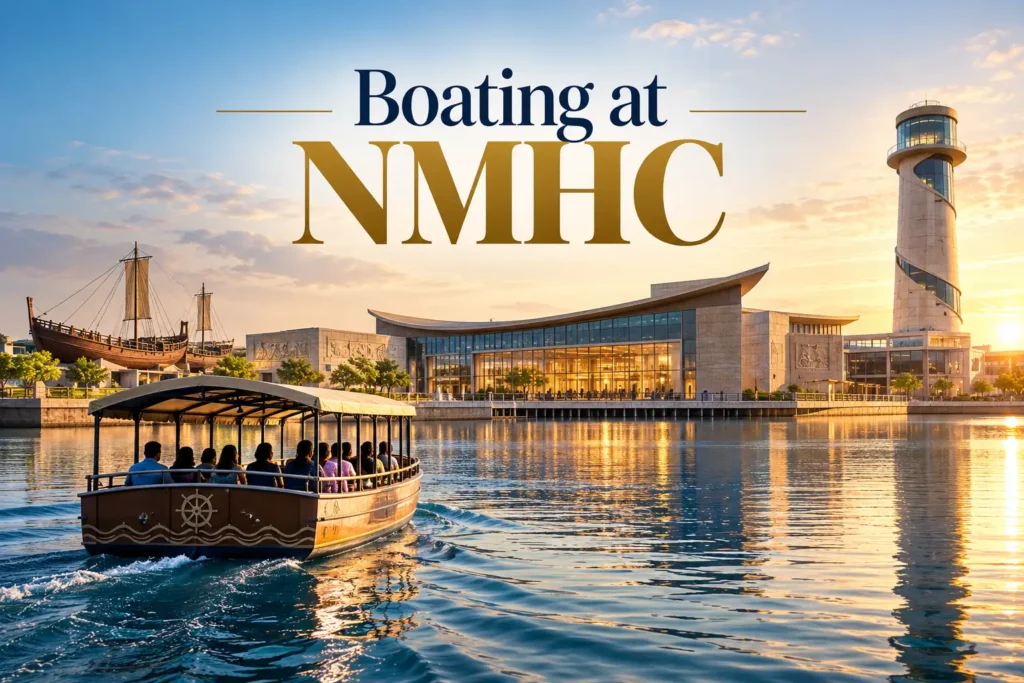
India’s relationship with the sea is older than most people realise. Long before modern ports and container ships, Indian sailors carried cotton, beads, spices, and ideas across the oceans. Today, the National Maritime Heritage Complex (NMHC) at Lothal, Gujarat, brings that story back to life, and one of the best ways to experience it is from the water itself.
Boating at NMHC is not just a leisure ride. It is a floating classroom, a peaceful escape, and a journey through thousands of years of history, all rolled into one. In this guide, Angel Nova takes you through what the experience offers, who will enjoy it most, and how to make the most of your visit.
Why Lothal Is the Perfect Home for India’s Maritime Story
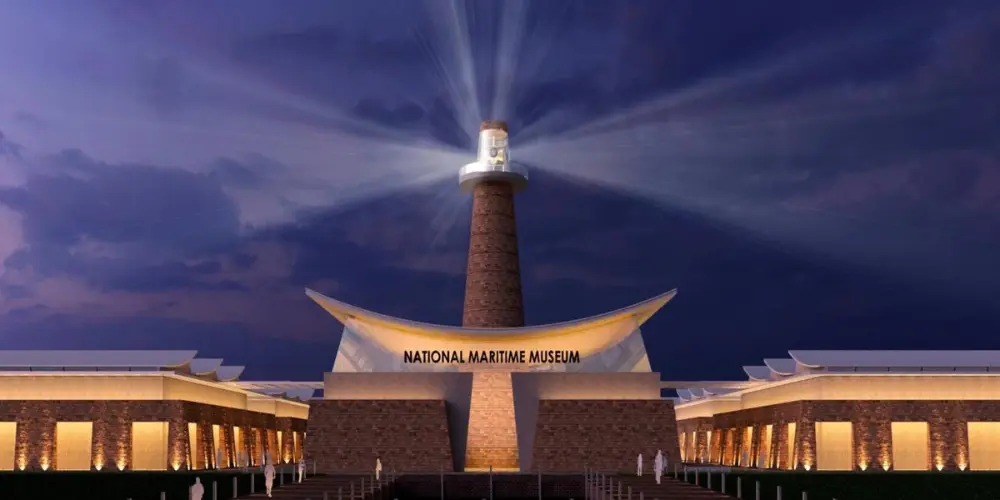
Lothal is no random location. It was one of the most important cities of the Harappan (Indus Valley) Civilisation and is widely believed to house one of the world’s earliest known dockyards, dating back more than 4,000 years.
Archaeologists found evidence that ships once sailed into Lothal, loaded and unloaded goods, and connected this small settlement to distant lands. Beads, seals, and other artefacts suggest trade links stretching as far as Mesopotamia.
Building a maritime heritage complex here makes perfect sense. When you step onto a boat at NMHC, you are floating close to where Indian seafaring may have first taken shape.
What Makes Boating at NMHC Special
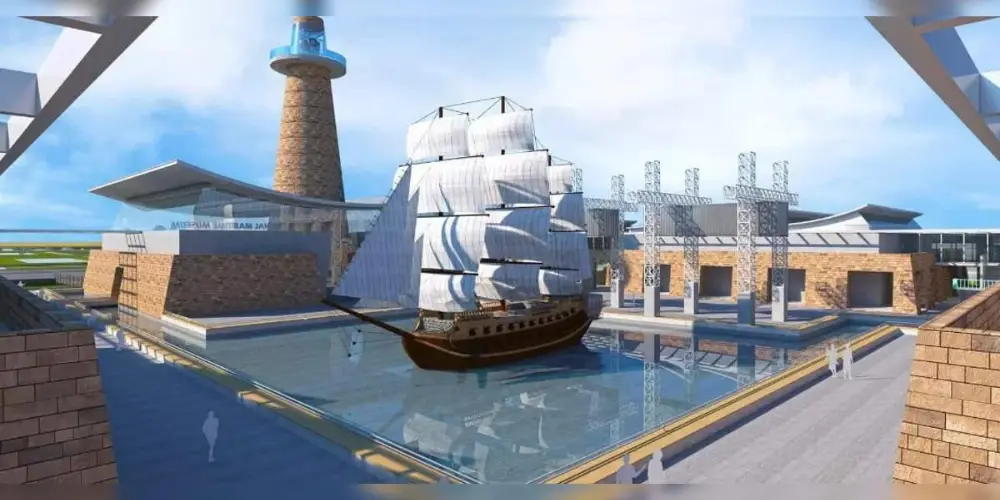
Most boat rides offer scenery. The boating experience at NMHC offers scenery with a story.
As the boat glides along, visitors learn about India’s maritime trade routes, its ancient ports, and how shipbuilding evolved over the centuries. The ride is designed to feel calm and unhurried, so you can absorb both the views and the knowledge.
What turns this into something more than a simple outing is the way history is woven into every part of the journey. Instead of reading plaques in a gallery, you experience the subject in its natural setting: on the water.
Audio Guides That Bring History to Life
One of the highlights of the ride is the audio guide. As you move through the waterways, narration explains the importance of the routes and ports that shaped India’s past.
This makes the experience easy to follow for all ages. You don’t need to be a historian to understand it. Just sit back, listen, and let the story unfold around you.
Visual Displays Along the Route
The journey also features visual displays that add depth to the narration. These help visitors picture how ancient vessels looked, how goods moved, and how these waterways linked India with the rest of the world.
Combining sound and visuals keeps the experience engaging. Children stay curious, and adults come away with a clearer picture of India’s role in early global trade.
A Journey Through India’s Maritime Trade Routes
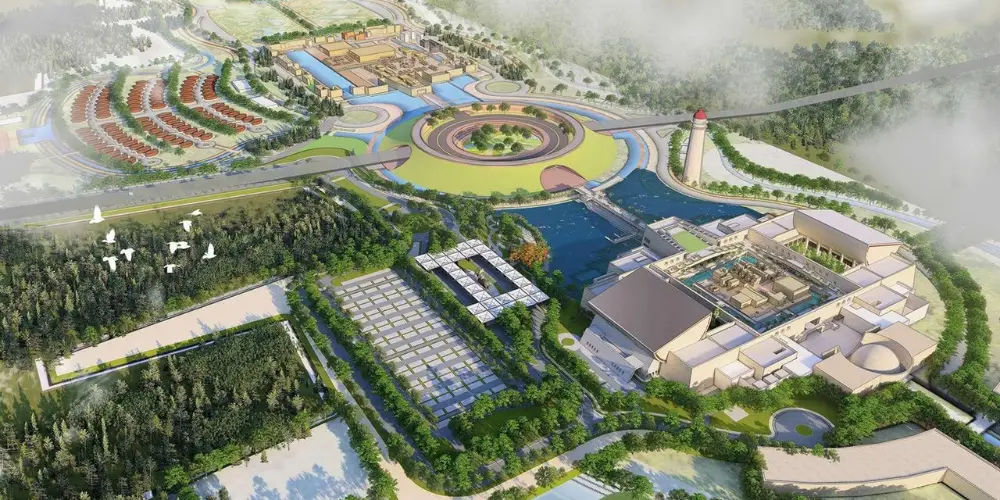
For thousands of years, India sat at the heart of major sea trade networks. Merchants sailed west toward the Persian Gulf, the Arabian Peninsula, and East Africa. Others headed east toward Southeast Asia.
The boat ride at NMHC helps visitors understand these connections. You learn how monsoon winds guided sailing seasons, how ports grew into busy trading hubs, and how exchange at sea shaped culture, language, and religion across regions.
It’s a reminder that globalisation isn’t a modern invention. Indian traders were part of a connected world long before the term existed.
The Evolution of Shipbuilding in India
Another fascinating theme of the experience is shipbuilding. India has a long tradition of crafting sturdy vessels from local timber, often using techniques passed down through generations.
From the simple boats of the Harappan era to large ocean-going ships of later centuries, Indian shipbuilders earned a strong reputation. Traditional boat-making skills are still alive today in coastal communities, especially in Gujarat.
Learning about this craft while actually sitting in a boat gives the topic a real, hands-on feel. You begin to appreciate the skill, courage, and knowledge that early sailors needed to cross open waters.
Who Should Try Boating at NMHC?
The beauty of this experience is that it works for almost everyone. Here’s who will enjoy it most.
Families
Boating is a relaxing activity that keeps everyone together. Kids enjoy being on the water, and parents appreciate that the outing is also educational. It’s a great way to spend quality time without screens.
Students and School Groups
For students, the ride turns textbook chapters into something they can see and hear. Topics like the Indus Valley Civilisation, ancient trade, and maritime history become far more memorable when experienced first-hand.
History Enthusiasts
If you love history, this is a must. The combination of location, narration, and displays offers a rare chance to connect with India’s maritime past in an immersive way.
Travellers Looking for a Peaceful Break
Not a history buff? No problem. The boating experience is also simply a calm, scenic escape. The gentle pace and open surroundings make it a good choice for anyone who wants to slow down and unwind.
More Than Recreation: A Voyage Through History
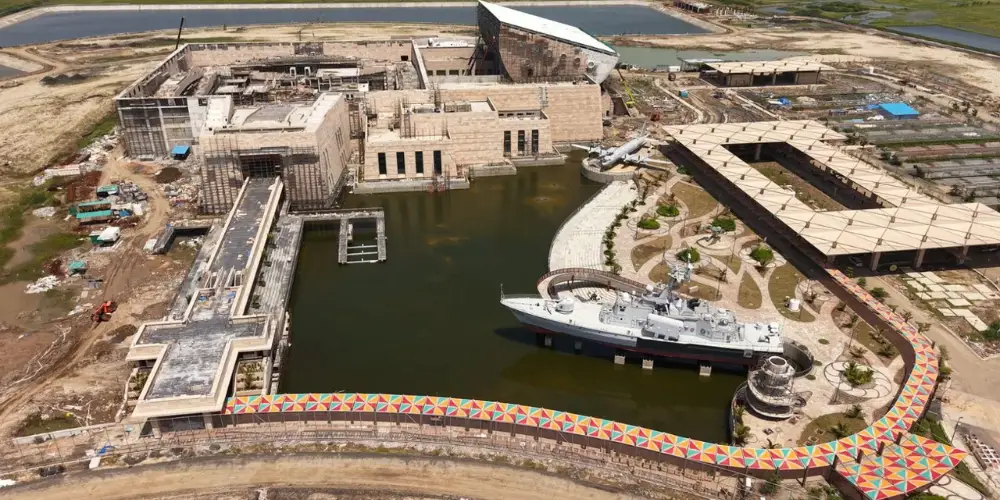
It’s easy to think of boating as just a fun activity. At NMHC, it becomes something deeper.
The experience offers a fresh perspective on India’s maritime heritage. You leave with a better understanding of how the sea shaped the nation’s economy, culture, and connections with the wider world.
At the same time, it never feels like a lecture. The ride balances learning with relaxation, which is what makes it so appealing. You can enjoy the breeze and the water while quietly picking up stories from thousands of years ago.
Tips for Making the Most of Your Boating Experience
A little planning can make your visit smoother and more enjoyable.
Check the latest updates before you go. NMHC is a large, ambitious project, and facilities, timings, and ticketing may change. Always confirm current details through official sources before travelling.
Visit during pleasant weather. Gujarat can get very hot in summer. The cooler months, roughly October to March, are generally more comfortable for outdoor activities.
Carry sun protection. A cap, sunglasses, and sunscreen will help, especially if you’re visiting in the afternoon.
Stay hydrated. Keep a water bottle handy, particularly when travelling with children.
Pay attention to the audio guide. The narration is the heart of the experience. Try to keep noise low so everyone in your group can enjoy it.
Combine it with other attractions. The boating ride is just one part of NMHC. Plan enough time to explore the galleries, exhibits, and the nearby archaeological site of Lothal.
Explore the Other Attractions at NMHC
Boating is only one chapter of the NMHC story. The complex is envisioned as a wide-ranging heritage destination, with museums, galleries, and experiences dedicated to India’s naval and maritime history, including exhibits connected to the Indian Navy.
Pairing your boat ride with these attractions gives you a fuller picture. You can see artefacts and ship models up close, then experience the waterways that gave them meaning.
The original archaeological site of Lothal, with its ancient dockyard remains, is also worth a visit. Standing where Harappan traders once worked is a powerful way to end your trip.
How to Reach Lothal
Lothal is located in the Ahmedabad district of Gujarat, roughly 80 kilometres from Ahmedabad city.
By air: The nearest major airport is Sardar Vallabhbhai Patel International Airport in Ahmedabad.
By rail: Ahmedabad is well connected by train to cities across India. Smaller stations closer to Lothal are also available.
By road: Driving from Ahmedabad is the most convenient option. Taxis and private cabs are easy to arrange, and the trip usually takes around two hours depending on traffic.
Final Thoughts
Boating at NMHC is one of those rare experiences that manages to be relaxing and meaningful at the same time. It invites you to slow down, look out over the water, and reflect on how India’s sailors and traders helped shape the ancient world.
Whether you’re a parent planning a family day out, a teacher organising a school trip, or a traveller curious about India’s past, this boat ride deserves a spot on your itinerary.
At Angel Nova, we believe the best journeys are the ones that leave you with a story. And few stories are as rich as India’s voyage through its maritime legacy.
Frequently Asked Questions
NMHC stands for the National Maritime Heritage Complex, a heritage destination at Lothal, Gujarat, dedicated to India’s maritime history.
You’ll learn about India’s ancient trade routes, historic ports, and the evolution of shipbuilding through audio guides and visual displays.
Yes. The ride is calm and educational, making it ideal for families and school groups.
Not at all. The narration is easy to follow, and the scenic ride is enjoyable even without a history background.
October to March is generally the most comfortable season because of the cooler weather.