

Introduction
India’s semiconductor dream is moving from policy papers to factory floors. And global technology giants are lining up to be part of it.
The latest to step forward is Canon. Better known in Indian homes for its cameras and printers, the Japanese company now wants a seat at the table of India’s chipmaking revolution.
Canon has confirmed it is in conversation with the leading players behind India’s major chip projects. It also plans to set up local service centres to support the equipment it brings in. At Angel Nova Group, we see this as a strong signal that India’s semiconductor ecosystem is maturing fast.
Why Canon Sees India as a Golden Opportunity
Semiconductors have become one of the hottest topics in Indian industry. Canon’s leadership in India has openly called the country’s emerging chip ecosystem a major opportunity for the company.
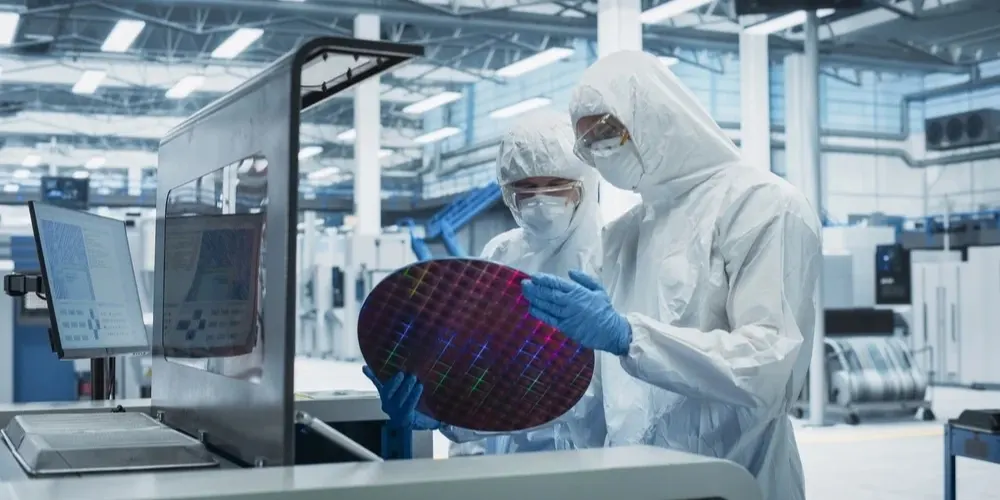
The reason is simple. Every chip factory needs precision equipment, and Canon makes lithography machines, one of the most critical tools in chip production. As India builds fabs, Canon wants its technology inside them.
The company’s plan is not just to sell machines. It wants to help Indian chipmakers actually produce chips on Indian soil, with Canon’s technology and expertise supporting them along the way.
What Is Lithography and Why Does It Matter?
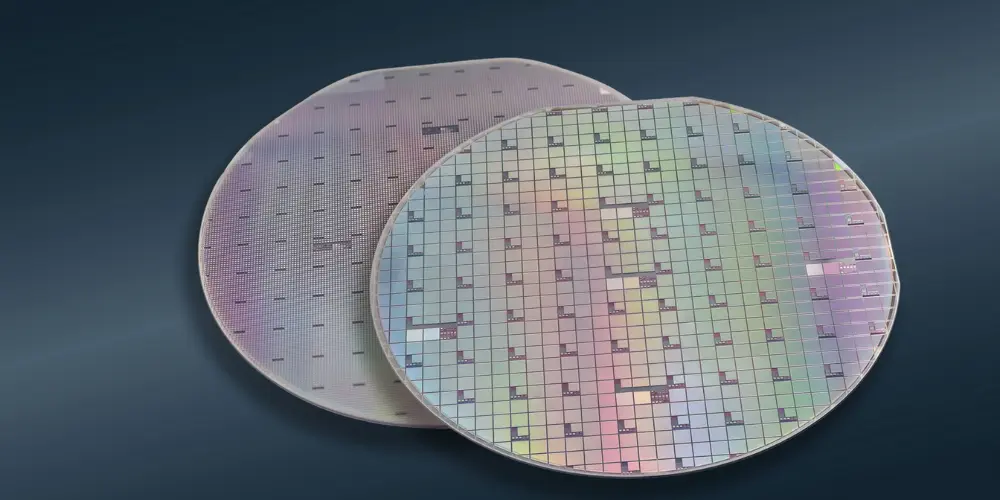
Lithography is the process of printing tiny circuit patterns onto silicon wafers. Think of it as a high-precision projector that draws billions of microscopic pathways on a chip.
Without lithography, there is no modern chip. It decides how small, fast and power-efficient a semiconductor can be. That makes lithography equipment among the most valuable and complex machines in the entire supply chain.
For a country starting its fab journey, access to reliable lithography tools, and people who can maintain them, is essential. This is exactly the gap Canon hopes to fill.
Canon Is Already Talking to India’s Key Chipmakers
Canon says it has already held discussions with all the major manufacturers behind India’s semiconductor ventures. These projects are still in progress, and the company has said it will share more once specific developments are confirmed.
This early engagement matters. Equipment decisions for a fab are made years before the first chip rolls out. By joining conversations now, Canon positions itself as a long-term partner rather than a late supplier.
The planned local service centres add real weight to this strategy. Chipmaking machines need constant calibration and fast repairs. Having support teams in India can cut downtime and build trust with manufacturers.
The Projects Shaping India’s Chip Future
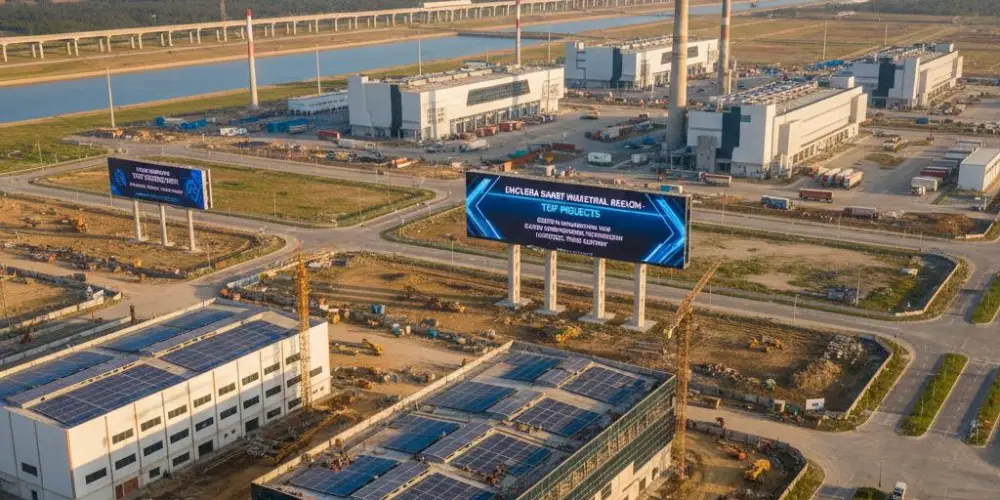
India has approved around 12 semiconductor projects under the India Semiconductor Mission. Together, they cover chip fabrication, assembly, testing and packaging.
Some of the most closely watched projects include:
- Tata Electronics’ fab in Dholera, Gujarat, India’s flagship chip fabrication plant
- Micron’s assembly and packaging facility in Sanand, Gujarat
- CG Power with Renesas, setting up semiconductor operations in Gujarat
- Kaynes Semicon, another Gujarat-based project
- Tata Electronics’ packaging unit in Assam, extending the ecosystem to the Northeast
These projects form the backbone of India’s ambition to become a global chip hub. Each one will need advanced equipment, skilled talent and dependable service partners.
Can India Meet Its Ambitious Timelines?
India has set bold targets for its semiconductor push. Many observers question whether these deadlines are realistic.
Canon’s view is optimistic. The company has expressed strong faith in India’s capabilities, while noting that the actual timelines rest with the chipmakers themselves. Its expectation is that the ecosystem will take shape in the near future.
Canon has also recognised the hard work being done by the government and industry partners. In its view, the pieces needed for chip manufacturing are steadily coming together.
Beyond Cameras: Canon’s Bigger Business Shift
Most people still link Canon with cameras and office printers. But the company has been quietly expanding into high-tech segments.
Today, its portfolio includes semiconductor equipment, medical systems, and surveillance and security solutions. India’s chip push fits neatly into this shift towards advanced industrial technology.
Canon has said it remains committed to bringing cutting-edge technology to India. It aims to create more value for customers as new opportunities emerge across sectors.
India: A Double-Digit Growth Market for Canon
India is one of Canon’s focus markets worldwide. The company says it has been growing at double-digit rates in India year after year.
Its core imaging business is also expanding quickly. This includes cameras, printers, compact printers, multifunction copiers and large production printing machines.
This steady growth gives Canon a strong base to build on. Adding semiconductor equipment and local service centres could deepen its presence in India even further.
What This Means for India’s Tech Ecosystem
Canon’s entry is about more than one company. It shows that global equipment makers now see India as a serious chip destination.
More suppliers mean more competition, better service and faster knowledge transfer. Local service centres could also create skilled jobs for engineers and technicians.
For businesses and investors, this is a clear signal. India’s semiconductor ecosystem is no longer just a plan. It is being built, piece by piece, with world-class partners joining in.
At Angel Nova Group, we will keep tracking these developments closely, because the story of India’s chip rise is only just beginning.
FAQs
Canon plans to supply lithography machines to Indian chipmakers and set up local service centres to support them.
Yes. Canon says it has held talks with all the key players behind India’s major semiconductor projects.
It prints microscopic circuit patterns onto silicon wafers, a core step in making every chip.
Around 12 projects have been approved under the India Semiconductor Mission, covering fabs, assembly and testing.
Key ones include Tata Electronics’ fab in Dholera, Micron’s unit in Sanand, CG Power-Renesas and Kaynes Semicon in Gujarat, and Tata’s packaging unit in Assam.