

TATA–PSMC Semiconductor Plant in Dholera: Gujarat Leads India’s Semiconductor Revolution
India is witnessing a historic transformation in high-technology manufacturing, and Gujarat has emerged as the epicenter of this change. With the Hon’ble Prime Minister Shri Narendra Modi inaugurating major semiconductor projects in Gujarat, the country has officially entered a new era of chip manufacturing. At the heart of this revolution stands the TATA Semiconductor Plant in Dholera, progressing rapidly and shaping India’s semiconductor future.
The launch of semiconductor facilities, including Micron’s project and Tata’s fabrication plant, marks the formal beginning of “Semiconductor Kranti” (Semiconductor Revolution) in Gujarat.
PM Narendra Modi Inaugurates Semiconductor Projects in Gujarat
As highlighted in recent developments, Shri Narendra Modi today inaugurated the semiconductor plant in Gujarat, reinforcing India’s commitment to becoming a global semiconductor hub. The inauguration symbolizes a strong alignment between government vision and private sector execution.
The Prime Minister’s engagement with semiconductor leaders and project launches—such as the Micron Semiconductor facility—signals that India is serious about reducing chip import dependency and building domestic manufacturing capacity.
This historic moment has strengthened confidence in projects like the TATA Semiconductor Plant in Dholera, which is advancing rapidly on the ground.
Gujarat: The Birthplace of India’s Semiconductor Revolution
With the inauguration of multiple semiconductor projects, Gujarat has officially become the launchpad of India’s semiconductor revolution. The state’s industrial ecosystem, policy stability, and infrastructure readiness have positioned it as the most favorable destination for chip manufacturing.
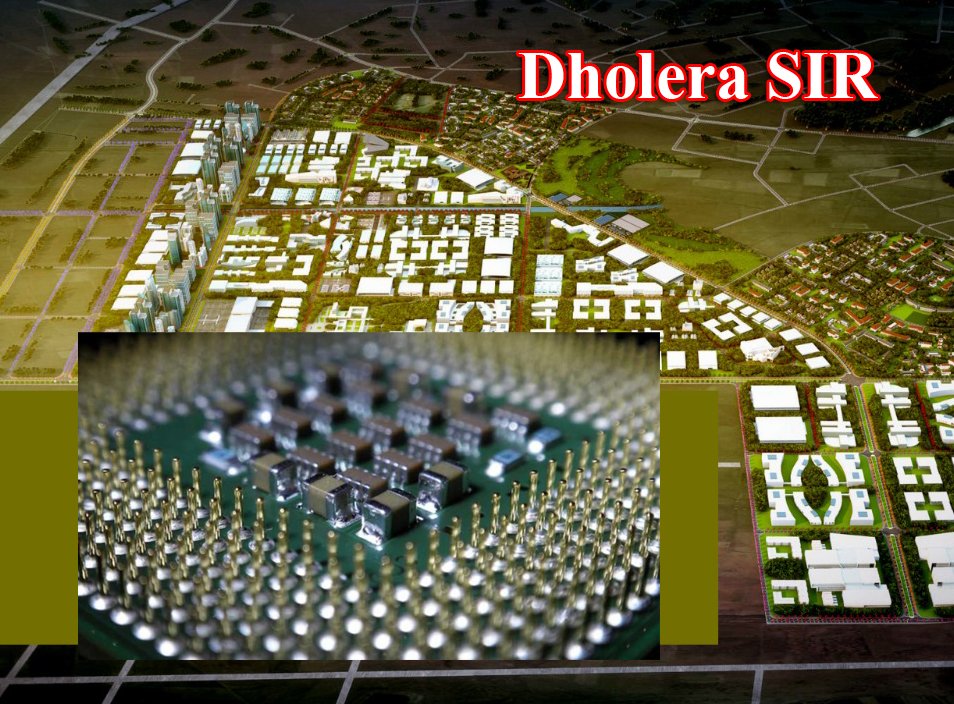
The TATA Semiconductor Plant in Dholera plays a central role in this transformation. Located inside the Dholera Special Investment Region (SIR), the project benefits from India’s most advanced industrial planning framework.
Together, the Micron facility and Tata’s semiconductor fab reflect a long-term strategy to create a full semiconductor value chain within Gujarat.
Rapid Progress of TATA Semiconductor Plant in Dholera
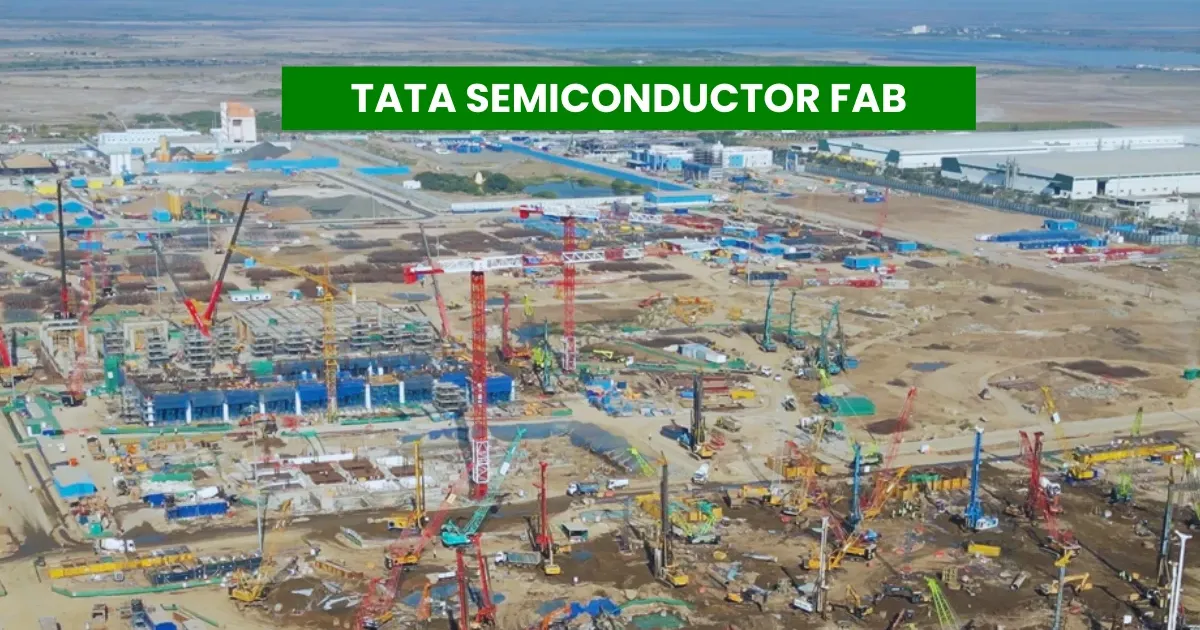
The TATA Semiconductor Plant in Dholera has crossed a major milestone, with around 45% of civil construction completed. Structural development, fabrication buildings, and core industrial infrastructure are advancing swiftly, bringing the project close to the halfway mark.
This rapid execution is possible due to:
- Ready-to-use industrial land in Dholera SIR
- Fast-track approvals and policy support
- Global project management standards
- Strong coordination between government and developers
The speed of construction highlights Dholera’s readiness to host complex, high-tech manufacturing facilities.
Strategic Partnership Between TATA and PSMC
The is being developed in collaboration with Powerchip Semiconductor Manufacturing Corporation (PSMC), Taiwan—a globally recognized semiconductor manufacturer. This partnership ensures access to advanced fabrication technology, operational expertise, and global best practices.
Through this collaboration, India will gain:
- Advanced chip manufacturing capabilities
- Technology transfer and skill development
- Global-standard production processes
- Long-term sustainability of semiconductor manufacturing
This partnership strengthens India’s position in the global semiconductor supply chain.
Why Dholera Is Ideal for Semiconductor Manufacturing
Semiconductor fabs require uninterrupted power, ultra-pure water, efficient logistics, and long-term operational stability. Dholera Smart City was planned specifically to meet such demanding requirements.
Key advantages of hosting the TATA Semiconductor Plant in Dholera include:
- Clear-title industrial land
- Dedicated utility corridors
- Expressway connectivity to Ahmedabad
- Upcoming Dholera International Airport
- Integration with the Delhi–Mumbai Industrial Corridor
These factors make Dholera one of the most future-ready industrial destinations in India.
Economic Impact and Job Creation
The TATA Semiconductor Plant in Dholera is expected to create thousands of direct and indirect employment opportunities. High-skilled jobs in engineering, fabrication, quality control, logistics, and R&D will attract professionals from across India.
The economic impact will include:
- Growth of supplier and vendor ecosystems
- Increased demand for housing and commercial spaces
- Boost to local businesses and services
- Appreciation in land and property values
Dholera’s transformation will extend beyond industry into urban and social development.
Development of a Complete Semiconductor Ecosystem
The inauguration of semiconductor projects by PM Narendra Modi, including Micron and Tata initiatives, sets the stage for a complete semiconductor ecosystem in Gujarat. Around the TATA Semiconductor Plant in Dholera, multiple allied industries are expected to emerge.
These include:
- Chip testing and packaging units
- Equipment and raw material suppliers
- Electronics and EV component manufacturers
- Research and skill development centers
Over time, Dholera is expected to evolve into a globally recognized semiconductor cluster.
Boost to Dholera Real Estate and Investment Confidence
With semiconductor projects officially inaugurated and construction advancing rapidly, investor confidence in Dholera has strengthened significantly. The TATA Semiconductor Plant in Dholera has become a major driver for long-term real estate demand.
Investors are attracted due to:
- Government-backed mega infrastructure projects
- Clear visibility of industrial growth
- Strategic importance of semiconductor manufacturing
- Early-stage investment advantages
Dholera is increasingly viewed as a long-term wealth creation destination.
India’s Semiconductor Future Begins in Dholera
The inauguration of semiconductor plants in Gujarat marks the beginning of a new industrial chapter for India. With projects like Micron and the TATA Semiconductor Plant in Dholera, the country is moving decisively toward self-reliance in chip manufacturing.
Dholera is not just hosting a factory—it is hosting the future of India’s technology ecosystem.
Conclusion
The TATA–PSMC Semiconductor Plant in Dholera, combined with the Prime Minister’s inauguration of semiconductor projects in Gujarat, marks the true beginning of India’s semiconductor revolution. With civil construction nearing the halfway mark, strong global partnerships, and unmatched infrastructure, Dholera is emerging as India’s semiconductor capital.
As Gujarat leads this historic transformation, the TATA Semiconductor Plant in Dholera will remain a cornerstone of India’s journey toward technological independence and global leadership.
FAQ
1. What is the TATA Semiconductor Plant in Dholera?
The TATA Semiconductor Plant in Dholera is a large-scale semiconductor fabrication facility being developed by Tata Group in partnership with Taiwan’s Powerchip Semiconductor Manufacturing Corporation (PSMC). It is one of India’s most important projects under the national semiconductor mission.
2. Where is the TATA Semiconductor Plant located?
The plant is located in Dholera Special Investment Region (SIR), Gujarat, India’s first planned greenfield smart city, developed under the Delhi–Mumbai Industrial Corridor.
3. What is the current construction status of the TATA Semiconductor Plant in Dholera?
As per recent updates, the TATA Semiconductor Plant in Dholera has completed around 45% of its civil construction, and work is progressing rapidly toward the next development phase.
4. Why was Dholera chosen for the semiconductor plant?
Dholera was chosen because it offers clear-title industrial land, world-class infrastructure, reliable power and water supply, expressway connectivity, and strong government support, all essential for semiconductor manufacturing.
5. Who are the partners involved in the TATA Semiconductor Plant?
The project is a collaboration between Tata Electronics and Powerchip Semiconductor Manufacturing Corporation (PSMC) of Taiwan, combining global technology expertise with India’s industrial strength.
