
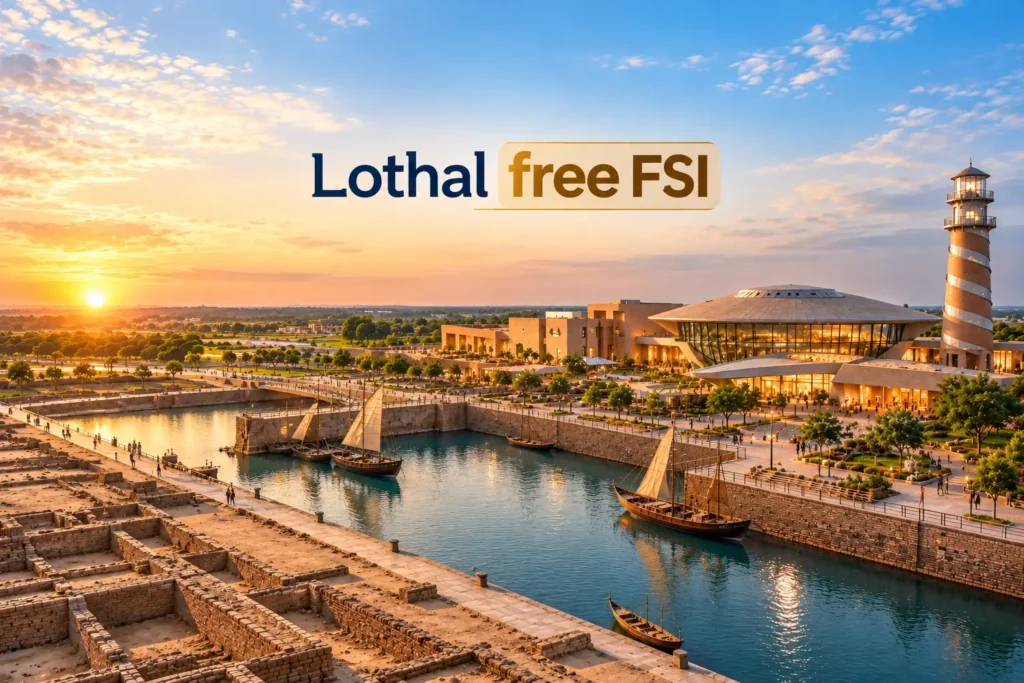
Gujarat has made a bold move to turn Lothal into a world-class heritage tourism destination. The state government will offer a free Floor Space Index (FSI) for the next five years, up to 2031.
The goal is simple. Attract private investment in hotels, resorts and tourism infrastructure around the upcoming National Maritime Heritage Complex (NMHC).
For investors, developers and hospitality brands, the Lothal free FSI policy is one of the most interesting opportunities in Gujarat right now. At Angel Nova, we break down what it means and why it matters.
Why Lothal Matters: India’s Ancient Port City
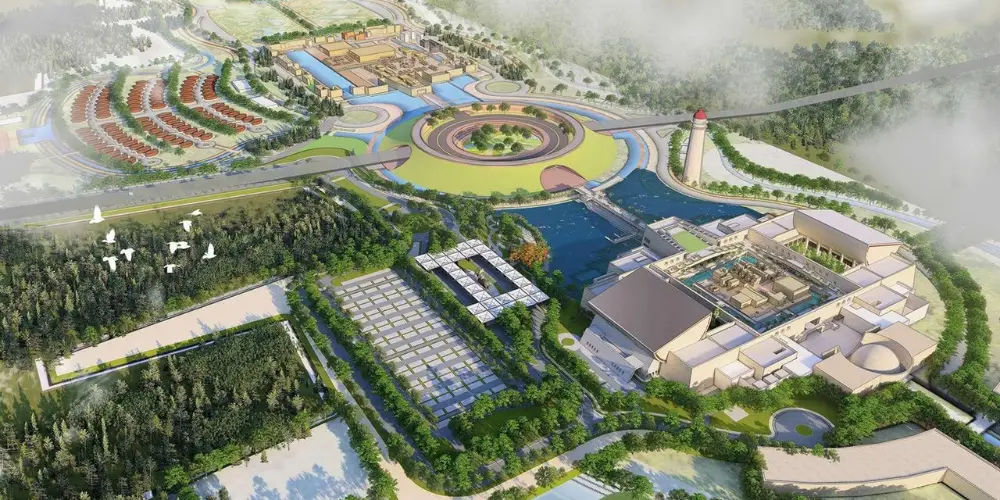
Lothal is one of the most important sites of the Harappan (Indus Valley) civilisation. It is home to one of the world’s oldest known dockyards, built more than 4,000 years ago.
The site sits near Saragwala village in Dholka taluka of Ahmedabad district. It reflects India’s long history as a seafaring and trading nation.
The National Maritime Heritage Complex is being developed here to tell that story. It will feature museums, galleries and immersive experiences on India’s maritime past.
A project of this scale will draw large numbers of domestic and international tourists. That creates strong demand for places to stay, eat, shop and explore.
What Is the Free FSI Initiative?
FSI, or Floor Space Index, decides how much built-up area a developer can construct on a plot. Normally, extra FSI comes at a premium cost.
Under the new policy, Gujarat will offer FSI free of charge for five years, until 2031. This applies to tourism and hospitality projects near the heritage complex.
The benefit is clear:
- Lower land and construction costs per room or unit
- Better project returns for early investors
- Faster development of hotels and visitor facilities
- A strong push for private-sector participation
The five-year window also creates urgency. Investors who move early stand to gain the most from this incentive.
Smart Zoning: Protecting Heritage While Enabling Growth

The government has designed a careful zoning plan. It aims to protect the ancient site while allowing planned growth around it.
Restricted Zone
No new construction is allowed within a fixed radius of the ancient dockyard. This keeps the archaeological site safe from damage and visual clutter.
Buffer Zone
The area around the restricted zone has strict building controls. Height limits apply, so new structures do not overshadow the heritage landscape.
Hospitality Zone
This is where most of the investment action will happen. Higher FSI is permitted here to encourage tourism-focused development.
This three-tier approach balances conservation with commerce. Investors get clarity on where and what they can build.
Inside the Hospitality Zone: What Can Be Built
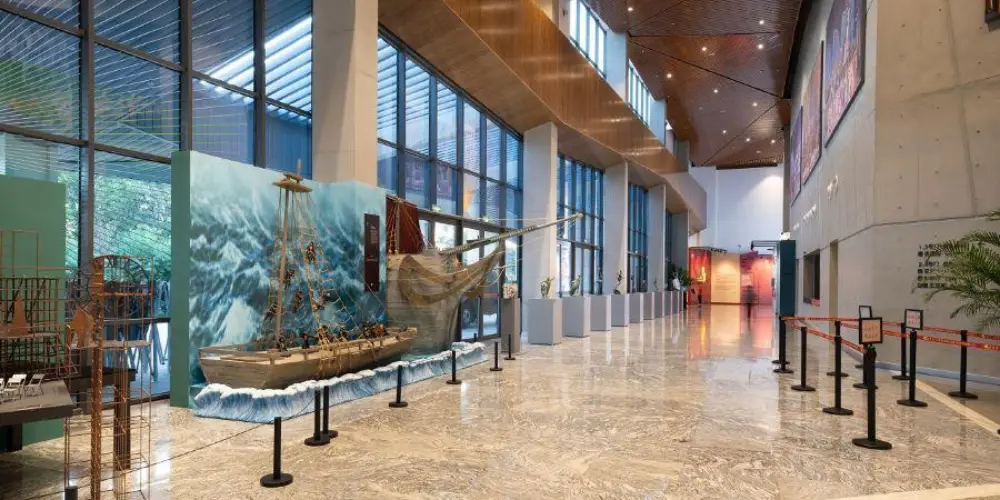
The hospitality zone has been planned for a wide mix of tourism projects. This variety means opportunities for every budget and business model.
Planned uses include:
- Luxury resorts for premium travellers and destination events
- Budget hotels for students, families and day-trip visitors
- Cultural theme parks built around India’s maritime and Harappan heritage
- Eco-tourism clusters that use the region’s natural landscape
- Handicraft centres to showcase and sell local Gujarati crafts
With higher FSI allowed and no FSI charges till 2031, these projects become far more viable. Local artisans and small businesses also stand to benefit.
LADA: A Dedicated Authority for Planned Development
The state has formed the Lothal Area Development Authority (LADA). It will oversee planning and development around the heritage site.
LADA covers an area of 166.88 sq. km. That is a large, well-defined region for coordinated growth.
A dedicated authority brings several advantages:
- One body for planning approvals and land-use rules
- Consistent zoning and building controls
- Better coordination of roads, utilities and public spaces
- Protection against unplanned, haphazard construction
For investors, this means more certainty. Clear rules and a single point of planning reduce delays and risk.
Investment Opportunities for Developers and Investors
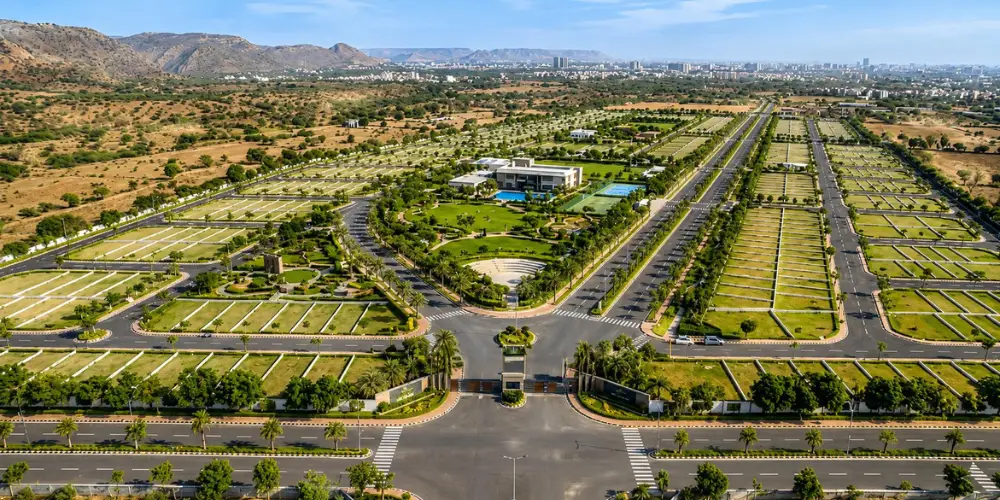
The Lothal free FSI policy opens multiple doors for investors. Early movers can secure a strong position in a fast-emerging tourism hub.
Hotel and resort development: Demand for rooms will rise as the NMHC draws visitors. Free FSI improves the economics of building more keys on the same land.
Land investment: Land in and around the hospitality zone may see value growth as projects take shape. Planned infrastructure usually supports long-term appreciation.
Experience-led tourism: Theme parks, eco-stays and cultural attractions can tap into the heritage story. These projects often enjoy repeat and group visits.
Retail and F&B: Restaurants, cafés and craft stores will serve the growing visitor base. Smaller investors can participate here too.
As always, investors should check zoning, title and approvals before buying. Working with an experienced advisor like Angel Nova helps you avoid costly mistakes.
Why Now Is the Right Time to Explore Lothal
The free FSI offer runs only until 2031. That makes the next few years the best window to plan and launch projects.
The NMHC is a national-level project with strong government backing. Combined with LADA’s planning and the zoning framework, Lothal offers a rare mix of heritage value and investment potential.
Lothal is also within reach of Ahmedabad, Gujarat’s largest city. This makes it attractive for weekend travellers and day trips.
At Angel Nova, we help investors identify the right land parcels and opportunities in emerging growth corridors. If Lothal is on your radar, now is the time to start the conversation.
Frequently Asked Questions
It is a Gujarat government incentive offering free Floor Space Index for five years, up to 2031, for tourism and hospitality projects near Lothal.
It is coming up near Saragwala village in Dholka taluka, Ahmedabad district, close to the ancient Lothal dockyard.
No. New construction is banned in the restricted zone, and the buffer zone has height and building controls.
Luxury resorts, budget hotels, cultural theme parks, eco-tourism clusters and handicraft centres, with higher FSI permitted.
The Lothal Area Development Authority plans and oversees development across 166.88 sq. km around the heritage site.